🌳
Raipur–Visakhapatnam Expressway: Development at the Cost of 3 Lakh Trees?
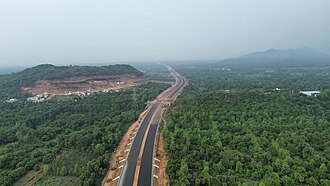
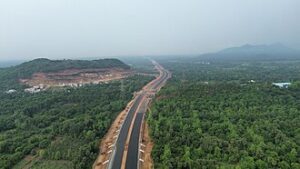
India’s ambitious infrastructure push continues with the under-construction Raipur–Visakhapatnam Expressway (NH-130CD)—a 464 km six-lane greenfield corridor designed to drastically reduce travel time between Chhattisgarh and Andhra Pradesh. But beneath the promise of faster connectivity lies a sobering reality: approximately 300,000 trees are being felled to make way for this mega project.
🚧 A Corridor of Progress
The expressway, part of the Bharatmala Pariyojana, aims to:
- Cut travel time from 13 hours to just 7 hours
- Boost trade and exports from mineral-rich regions
- Connect Raipur to Visakhapatnam Port via Chhattisgarh, Odisha, and Andhra Pradesh
It’s a strategic lifeline for Central India, promising economic upliftment, industrial growth, and improved logistics.
🌲 Ecological Toll: Forests in the Crosshairs
However, the route slices through dense forest zones, including parts of the Eastern Ghats and Dandakaranya region. The loss of 3 lakh trees raises serious concerns:
- Habitat fragmentation for wildlife
- Increased human-animal conflict
- Disruption of local ecosystems and biodiversity
India has already lost nearly 7% of its forest cover since 2000. Projects like this, while necessary, must tread carefully to avoid irreversible damage.
🛣️ Can Green Infrastructure Mitigate the Impact?
Experts suggest integrating wildlife underpasses, noise barriers, and green corridors to reduce ecological disruption. Similar interventions near national parks have shown promise in balancing development with conservation.
📍 What Lies Ahead?
As construction progresses toward its 2025 deadline, the challenge remains: Can India build smarter, not just faster? The Raipur–Visakhapatnam Expressway could become a model of sustainable infrastructure—if ecological safeguards are prioritized.